Will medical cannabis make me feel impaired?
It can—but it does not affect everyone in the same way. The chance of feeling impaired depends on the product, its THC content, your dose, how you take it, your health and your other medicines. THC is the main intoxicating cannabinoid in cannabis; CBD is not intoxicating in the same way, although CBD products can still cause side effects and may interact with medicines.
If you are considering treatment, it is reasonable to ask about feeling “high”, concentration, balance, sleepiness and driving. A specialist prescriber should discuss these risks with you, start treatment cautiously and review how it affects you. Do not drive, operate machinery or do anything requiring full alertness if you feel impaired.
This guide explains what the UK’s 2018 rule change did—and did not—make lawful, how prescribing works, and what to check before choosing a clinic. “Legal” can mean several different things here: lawful possession of a prescribed medicine, lawful prescribing, and lawful supply through the medicine’s supply chain are not interchangeable.
What does “impaired” mean?
People often use “impaired” to mean feeling noticeably high. But impairment can also mean being less alert, slower to react, less coordinated or less able to concentrate—even if you do not feel euphoric. THC-containing medicines can cause effects such as dizziness, drowsiness, altered perception, anxiety, confusion or problems with short-term memory. These effects may be more likely when starting treatment, increasing a dose or using a product with more THC.
Some people report few noticeable effects at a low dose; others find the same dose unpleasant. There is no reliable rule that a prescribed product will not impair you, or that you can judge your driving ability by whether you feel “normal”. Ask your prescriber what effects to look out for and what to do if they occur.
THC and CBD are not the same
THC can produce psychoactive effects. CBD does not usually produce the same intoxicating “high”, but that does not make every CBD product risk-free or suitable for you. Products sold outside a prescription may vary in composition, and some can contain THC. If you take other medicines, ask a clinician or pharmacist about possible interactions before using a CBD product.
What changed in 2018?
On 1 November 2018, the UK rescheduled certain cannabis-based products for medicinal use in humans (often shortened to CBPMs). This followed a change to the Misuse of Drugs Regulations 2001. It created a route for eligible products to be prescribed by doctors on the General Medical Council’s Specialist Register, subject to the rules for the product and its supply.
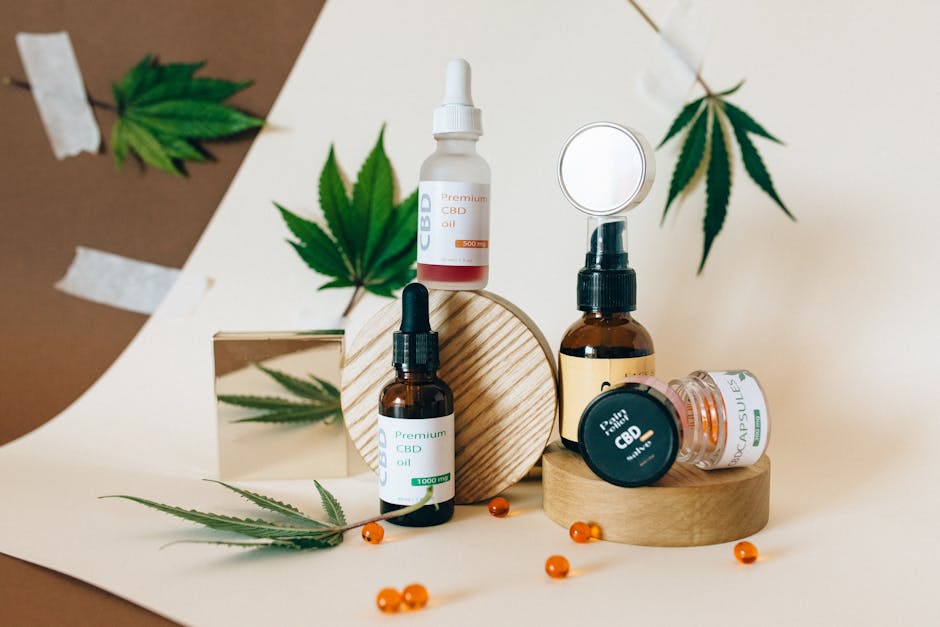
The change did not make cannabis generally legal, create a right to a prescription, or allow patients to buy cannabis wherever they choose. It made a restricted medical route possible. Prescription medicines still need to be prescribed and supplied lawfully, and patients must follow the directions given for their own medicine.
What remains illegal or restricted?
- Recreational cannabis use: Cannabis remains a controlled drug in the UK. The 2018 medical change did not legalise recreational possession or supply.
- Self-prescribing: Patients cannot prescribe cannabis to themselves. A clinician must assess whether a prescription is appropriate.
- Importing cannabis yourself: Do not assume that a product bought abroad, ordered online or brought into the UK is lawful for you to possess. Import rules and controlled-drug requirements can apply. Check with the relevant authorities and your prescriber rather than travelling with or ordering a product without advice.
- Unlicensed or informal supply: A product being described as “medical” online does not prove it is a lawful prescription medicine or that it came through an authorised supply chain.
Smoking and vaping are also different. Vaping involves heating a product to produce an inhalable aerosol; smoking burns material. Do not assume that a prescription for one form authorises another method. Follow the product instructions and your prescriber’s advice, and ask specifically how the medicine is intended to be administered.
Who can prescribe medical cannabis?
In the UK, the relevant route is specialist-led. A doctor prescribing a CBPM must be on the GMC Specialist Register and work within the applicable prescribing rules. A GP cannot start a cannabis-based prescription as an independent general practice prescription. Your GP may be involved in your care or communicate with a specialist, but that is not the same as initiating treatment.
Specialists usually consider whether conventional treatments have been tried or are unsuitable, the evidence for the condition, your medical history and the potential risks. A consultation is an assessment, not a guarantee of a prescription. The specialist may decide that cannabis-based treatment is not appropriate, or may recommend another option.
NHS versus private access
NHS access is limited. NHS guidance describes prescribing as generally restricted to a small number of circumstances, including certain forms of epilepsy, chemotherapy-related nausea and vomiting, and multiple sclerosis-related spasticity, where the relevant criteria are met. In practice, access can be difficult, and decisions depend on the patient’s circumstances and the clinician’s assessment.

Private clinics are another route, not a shortcut around clinical rules. A private clinic may assess people with conditions or treatment histories that do not fit routine NHS pathways, but it still needs an eligible specialist prescriber, an appropriate clinical basis and a lawful supply chain. Patients pay for private consultations and, if prescribed, the medicine. Costs and follow-up arrangements vary, so ask for a clear estimate rather than relying on a headline price.
Question What to clarify Who will assess me? Ask for the clinician’s name and check their status on the GMC Specialist Register. What will treatment cost? Ask about consultation, follow-up, medicine, delivery and any repeat-prescription charges. How will effects be monitored? Check how often the clinic reviews you and who to contact about side effects or dose changes. What happens if I do not tolerate it? Ask about stopping or changing treatment and what support is available.Driving and impairment: the practical UK position
Do not drive if you feel impaired by a medicine. That advice applies even when the medicine was prescribed. UK drug-driving law also sets specified limits for certain controlled drugs, including THC. There is a statutory medical defence in some circumstances for a patient taking a medicine in accordance with a prescription or instructions, but it is not permission to drive while impaired.
Because the legal position and an individual’s circumstances can be complex, ask your prescriber about driving before starting a THC-containing medicine. Read the current guidance from the government and the DVLA, and get legal advice if you need advice about a specific case. Irwin Mitchell solicitors, for example, publishes legal information on driving and medicines; a law firm’s article is not a substitute for advice tailored to your situation.
Clinic precautions: questions that reduce uncertainty
Good clinic precautions are not about promising that you will never feel high. They are about checking suitability, explaining risks and giving you a safe plan. Before committing to a clinic, you can use this short checklist:
- Is the prescriber on the GMC Specialist Register, and will they assess your case personally?
- What THC and CBD content is being considered, and why is that formulation appropriate?
- What side effects are most relevant to your health history and current medicines?
- How will the clinic start, adjust and review your dose?
- Who should you contact if you feel too sleepy, anxious, dizzy or otherwise unwell?
- What are the full expected costs, including follow-ups and repeat prescriptions?
- What are the rules for driving, travel, storage and the method of administration?
Be cautious of claims that a clinic can guarantee a prescription, that treatment is risk-free, or that every patient will benefit. A responsible service should explain that a specialist may decline to prescribe and should be clear about both the evidence and its limitations.
Using Trustpilot and Similarweb when comparing clinics
Patient reviews can help you understand how people experienced communication, appointment booking or customer service, but they cannot establish that a treatment is clinically suitable or predict whether you will feel impaired. When reading Trustpilot, look for patterns across reviews, dates, responses and the nature of the complaint—not just the star rating. Reviews are self-selected, and a positive review is not proof of clinical quality.
Similarweb can offer estimates about website traffic and audience patterns. It cannot verify a clinic’s medical credentials, prescribing standards or patient outcomes. Use it as a limited market-research tool, not as a safety rating. For a proper check, confirm the clinician’s registration with the GMC and look for clear information about clinical governance, fees and follow-up care.
What if I am worried about psychoactive effects?
Tell the specialist plainly that you have psychoactive effects concerns. Explain what “impaired” means to you—for example, fear of feeling high, needing to drive, caring responsibilities, work requiring concentration or a history of anxiety with cannabis. Ask whether a non-intoxicating or lower-THC option is clinically appropriate, while recognising that the prescriber must decide what is suitable and available.
If you do receive a prescription, follow the plan rather than changing the dose yourself. Keep a note of when you take it and any effects you notice, and report problems to the clinic. Do not combine it with alcohol or other sedating substances without medical advice. Seek urgent help for severe or alarming symptoms.
The bottom line
Medical cannabis may make you feel impaired, particularly if it contains THC, but the effect varies and cannot be guaranteed in advance. The UK’s 2018 rescheduling created a tightly controlled prescribing route; it did not legalise recreational use, self-prescribing or casual importing. Prescribing is specialist-led, NHS access is limited, and private treatment involves costs and an individual clinical assessment.
Before starting, confirm who is prescribing, what product https://www.theukrules.co.uk/medical-cannabis-in-the-uk-what-the-law-permits-and-how-patients-access-it/ and dose are proposed, how side effects will be monitored, and what you should do about driving. Those answers are more useful than a blanket promise that a treatment will—or will not—make you feel high.